You Don’t Have a Money Problem. You Have an Impulse Problem.
Fifteen dollars here. Forty dollars there. Twenty-three dollars everywhere. None of it feels like spending. It feels like living.
You see something. You want it. You buy it. The transaction is so small it barely registers. You do not think about it again. You do not add it to anything. You do not feel like you are spending money at all.
That is the trap. That is also the entire problem.
The Math of Small Impulses
Fifty dollars per week in impulse purchases feels casual. One coffee shop. One online purchase. One thing you did not plan but saw and wanted. Fifty dollars is nothing.
Over a year, that impulse becomes $2,600. That is not a coffee budget. That is a vacation. A car repair. An emergency fund. A down payment. A year of financial breathing room that you chose to spend on things you do not remember buying.
Most people do not have a spending problem. They have an impulse problem. They do not spend recklessly on big purchases. They bleed money through small ones that never feel like spending.
Impulse Is Not a Character Flaw. It Is a Choice.
You are not weak. You are not bad with money. You are not broken. You are someone who chooses immediate satisfaction over delayed security. That is a choice. It is not a diagnosis.
This matters because if it is a character flaw, you are stuck with it. If it is a choice, you can change it. And you can. The moment you stop pretending you “have to” buy things and start admitting you are “choosing” to buy them, everything shifts.
You see something online. Your old identity says “I do not have impulse control.” Your new identity says “I am choosing this purchase over my savings goal.” One is passive. One gives you power back.
Why Impulse Feels Harmless
Impulse purchases are under the radar. They are small enough that your brain does not flag them as spending. A $15 app feels different than a $1,500 laptop. Emotionally, it does not register the same way. So you feel like you are not spending at all.
That is by design. Retailers know this. Apps know this. Digital stores know this. The entire system is built around making spending feel frictionless. One click. One card. No pause. No thinking. Just impulse feeding impulse.
Meanwhile, your financial security erodes $15 at a time. And because each purchase feels insignificant, you never see it as the problem. You see yourself as underpaid. Or unlucky. Or unable to catch a break. You do not see that you are choosing convenience over money, one hundred times per year.
Budgets Do Not Fix Impulse
Most people try to solve impulse with a budget. Allocate money. Track categories. Set limits. Rules.
Budgets do not work because they treat the symptom, not the behavior. A budget says “you can spend $200 on discretionary items this month.” Impulse says “I want this thing right now.” The budget does not matter. Your identity still says “I buy what I want when I want it.”
Behavior always returns to identity.
You can track your spending for 30 days. You can tell yourself you will do better. You can promise yourself you will wait. But if your identity is someone who buys things impulsively, you will keep doing it. The budget just makes you feel guilty about it afterward.
The 48-Hour Rule
Here is what actually works: install a single anchor behavior. Not ten. One. Before any impulse purchase, wait 48 hours.
That is it. See something you want. Do not buy it. Wait two days. If you still want it after 48 hours, buy it. If you forgot about it, you just proved to yourself that impulse was driving the decision, not need.
Most things you impulse buy will be forgotten by tomorrow. The online shopping cart will sit there. The app notification will disappear. Your brain will move on. The impulse dies when you do not feed it immediately.
Repeat this 48-hour pause every single time. Not when you feel like it. Not when you think it is important. Every impulse purchase gets two days of waiting. That one daily choice, repeated 365 times, changes how much money you have at the end of the year.
Language Shifts the Power
Stop saying “I cannot afford to save.” Start saying “I am choosing to spend instead of save.”
Stop saying “I saw it and had to have it.” Start saying “I chose to buy it.”
Stop saying “I do not have impulse control.” Start saying “I prioritized that purchase over my financial goal.”
Blame language keeps you powerless. Choice language gives you power back. The moment you own that you are choosing to spend, you can choose differently. You cannot change what you refuse to claim responsibility for.
Money Responds to Behavior, Not Willpower
This is not about suffering through deprivation. You can absolutely buy things. You can absolutely have nice things. The question is whether you are choosing intentionally or defaulting to impulse.
Intentional spending: “I decided this $40 purchase is worth more to me than adding it to my savings.” That is a conscious trade-off. That is your choice.
Impulse spending: “I saw it. I wanted it. I bought it. I did not think about it.” That is not a choice. That is a reflex.
Your bank account does not care about your intentions. It responds to your behavior. To your repeated actions. To what you actually do, not what you wish you did.
The Final Truth
Nobody is forcing you to impulse buy. Life makes it easy. Easier is not the same as forced.
Your next online purchase is a choice. Your next spontaneous transaction is a choice. Your next moment when you see something and want it right now is a choice.
Your bank account is the physical receipt of those choices. And it changes the moment you decide to pause, to wait, and to choose differently.
Ready to Break the Impulse Pattern?
If you are ready to install the behaviors that actually stop impulse spending and build real financial control, the 60-Minute Choice Reset walks you through identifying your trigger patterns and anchoring one choice that saves you thousands per year.
BOOK YOUR CHOICE RESET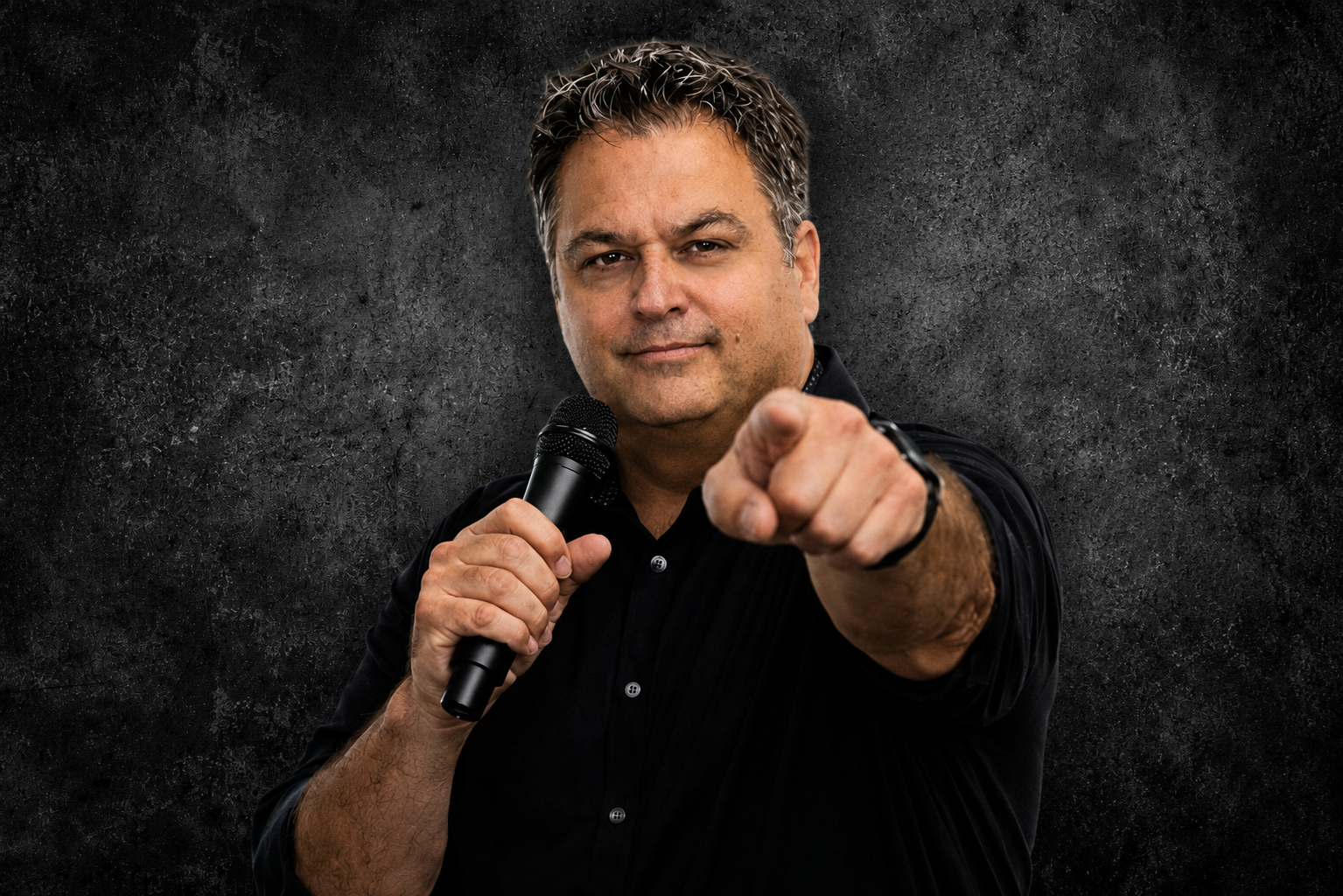
Jonathan Ressler
Your life is the receipt of your choices. Jonathan Ressler is the Amazon best-selling author and podcast host behind Shut Up and Choose — proof that recognizing and owning your choices can change every part of your life, not just your weight. It started with 140+ pounds lost, and it didn’t stop there — his relationships, his finances, and the rest of his life changed the exact same way.
BOOK YOUR CHOICE RESET →