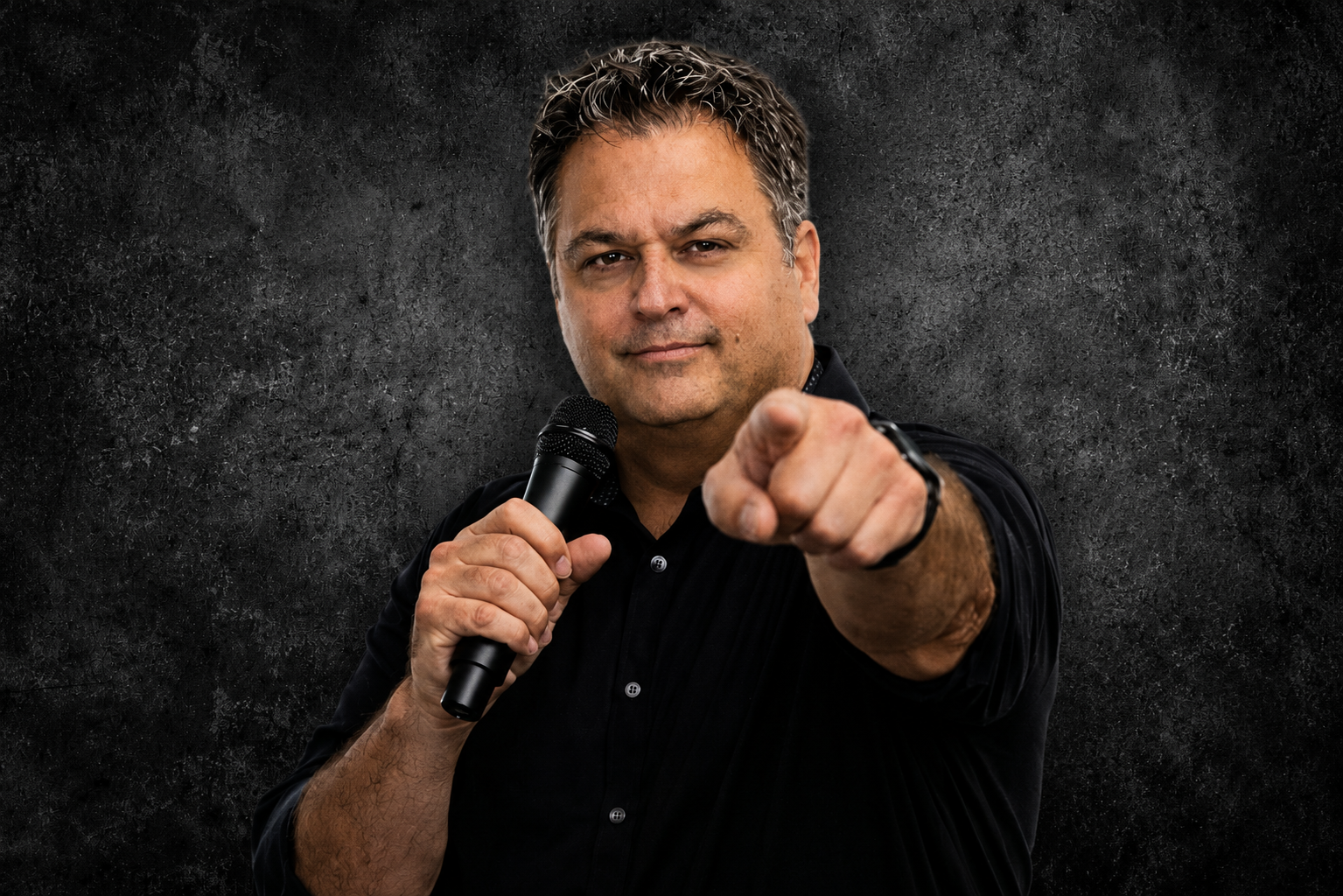
Stop Dieting. Start Choosing.
How I Lost 140 Pounds Without Dieting
I weighed about 411 pounds. I knew I needed to lose weight, and I certainly didn’t need another person telling me how overweight I was. What I needed was to stop treating weight loss like a complicated project and start paying attention to the choices I was making every single day.
For years, I approached weight loss the way millions of people do. I looked at the size of the problem and assumed the solution had to be just as big. If I wanted to lose more than 100 pounds, surely I needed a serious diet, a complicated plan, a dramatic lifestyle overhaul, and enough motivation to keep the whole thing going.
That’s a pretty intimidating proposition when you weigh 411 pounds and still have a job, responsibilities, relationships, and a life you actually want to enjoy.
Then, in April 2023, something changed. I stopped looking for the perfect weight-loss program and started looking at the decisions I was making around food. Not the decisions I planned to make next Monday. The ones I was making right in front of me.
I didn’t give up the foods I loved. I didn’t start counting every calorie or macro. I didn’t follow a structured exercise program, and I didn’t use weight-loss injections or surgery.
I started making small, smart choices that I could repeat. Over time, those choices added up to more than 140 pounds lost.
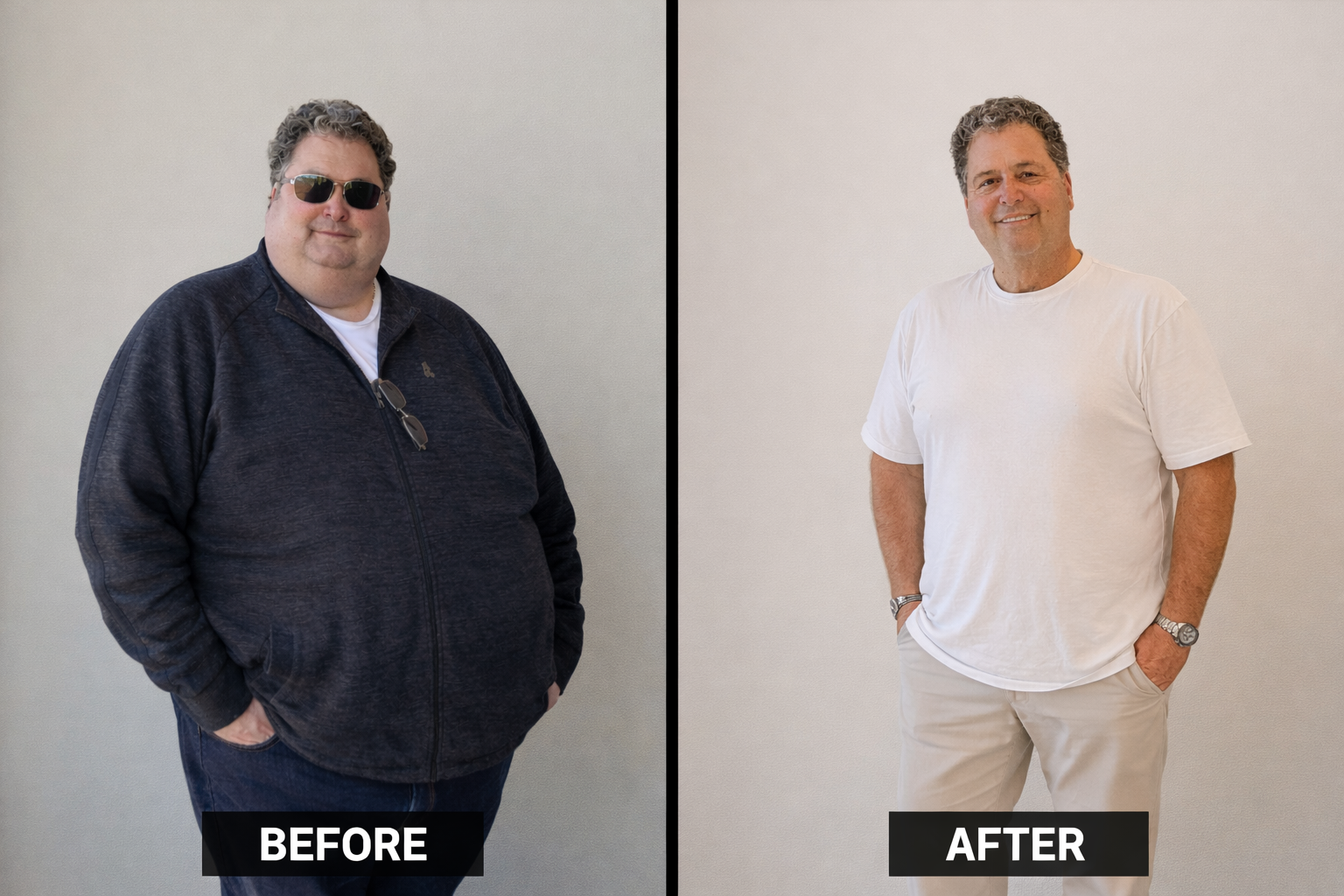
People naturally want to know what I ate, what I stopped eating, or what secret trick made the weight disappear. But those questions miss the most important part of what happened.
The biggest change wasn’t my menu. It was the way I made decisions.
Why I Stopped Looking for Another Diet
Here’s what I eventually realized about my own history with dieting: I was spending an enormous amount of energy trying to find something outside myself that would control my behavior.
A diet tells you what to eat, what not to eat, how much to eat, and sometimes exactly when to eat it. For some people, that structure can be useful. For me, it created a problem. I was putting the responsibility for my decisions onto a set of rules.
As long as I followed the rules, everything felt fine. But the moment life got complicated, or I ate something that wasn’t on the plan, the whole arrangement became a negotiation.
Should I start over tomorrow? Did I ruin the day? Was the weekend already shot? Maybe I needed a different program, a stricter set of rules, or another fresh start on Monday.
Meanwhile, the real issue never changed. I still had to make decisions about food several times a day, regardless of which diet I happened to be following.
I finally understood that I couldn’t outsource those decisions forever. At some point, I had to learn how to make them myself.
The question that changed everything: Instead of asking, “What am I allowed to eat?” I started asking, “What’s the smartest choice I can make right now?”
What Losing Weight Without Dieting Actually Meant for Me
When I say I lost 140 pounds without dieting, I’m not claiming that food intake doesn’t matter or that weight loss somehow happens independently of energy balance. Of course what and how much we eat matters.
What I’m saying is that I didn’t need a formal diet to begin changing those things.
I didn’t need to weigh every ingredient, track every meal, eliminate entire food groups, or make eating the central administrative task of my day.
I needed to become more conscious of the decisions I was already making.
There’s an enormous difference between eating something because you’ve consciously decided you want it and eating it because it’s sitting in front of you, because you’re bored, or because you’ve always eaten that way.
That difference became the foundation of my approach.
The Small Choices That Make a Big Difference
When people hear that I lost more than 140 pounds, they often imagine some extraordinary level of daily sacrifice. But the entire point of my experience is that I stopped thinking in terms of extraordinary sacrifices.
I began thinking about ordinary decisions.
1. Decide Whether You’re Still Hungry Before Getting Seconds
Imagine you’ve just finished a good dinner. The food was terrific, and there’s plenty left. Your old habit might be to get another helping simply because you enjoyed the first one.
But enjoying food and needing more food are two different things.
You don’t have to declare that you’ll never have seconds again. You can simply stop long enough to ask whether you’re still hungry and whether another serving is worth it.
Sometimes the answer will be yes. Sometimes it won’t. The important part is that you’re making the decision instead of allowing the habit to make it for you.
2. Enjoy the Pizza Without Automatically Finishing It
I love food. That’s never been a secret, and I have no interest in building a life where enjoying a pizza becomes some sort of moral failure.
But there’s a difference between loving pizza and automatically eating more of it than you actually want or need.
Maybe two slices are satisfying. Maybe you’re considering a third or fourth because they’re there.
You don’t need a rule that says pizza is forbidden. You need to decide whether that next slice is worth the tradeoff.
That’s a choice you can make at a restaurant, at home, at a party, or while watching football. It doesn’t require a special meal plan.
3. Recognize When You’re Eating Out of Habit
Sometimes food has very little to do with hunger. You walk through the kitchen and grab something. You sit down to watch television and automatically reach for a snack. You finish what’s on your plate because that’s what you’ve always done.
Those moments matter because they’re so easy to overlook.
When you start noticing them, you give yourself the opportunity to make a different decision.
You might still choose to eat. But now it’s a choice rather than an unconscious routine.
I’ve written more about that in How to Stop Mindless Eating .
Why the Next Choice Matters More Than the Last One
One of the most damaging habits I had to change was treating a less-than-ideal decision as permission to make several more of them.
You eat more than you intended at lunch, so you decide the day is ruined. Since the day is ruined, dinner doesn’t matter either. And because it’s Friday, maybe you’ll just start fresh on Monday.
That’s how one decision turns into an entire weekend of decisions you didn’t really want to make.
But lunch is over. You can’t change what you ate. You can only decide what happens next.
This was an important shift for me. I stopped treating individual choices as a verdict on my character or the success of the entire week.
One meal doesn’t define your progress. Neither does one day. What matters is the pattern you create through the decisions you repeat.
You don’t need to punish yourself for lunch, skip dinner to compensate, or make another dramatic promise. You can simply make your next decision consciously.
You don’t have to make the perfect choice for the rest of your life. You have to take responsibility for the next choice in front of you.
How I Made the Approach Work in Real Life
The reason this approach appealed to me was that it didn’t require a separate life devoted to losing weight.
I still wanted to go out to dinner. I still wanted to enjoy the foods I loved. I still had obligations, distractions, stressful days, celebrations, and all the other things that make life interesting.
A system that only works when everything goes according to plan isn’t particularly useful when your life rarely goes according to plan.
So I stopped asking myself to completely reinvent my life and started looking for choices I could repeat even when I was busy, tired, distracted, or having a lousy day.
That’s what I mean by small, smart choices. They aren’t necessarily dramatic. They aren’t particularly exciting. And they don’t give you the rush that comes from announcing a massive new plan.
But they’re available every day.
You can read more about why I believe consistency beats dramatic reinvention in Real Weight Loss Is Boring .
The Three Principles Behind My 140-Pound Weight Loss
Take Ownership of Your Decisions
I had to stop pretending that my schedule, circumstances, or the food around me were making every decision for me.
Those things influence our behavior, sometimes powerfully. But recognizing an influence isn’t the same as surrendering all responsibility.
For me, taking ownership meant acknowledging what I could control and focusing on that, rather than endlessly explaining why changing was difficult.
Make Choices You Can Repeat
A dramatic change that lasts four days doesn’t automatically beat a modest improvement that becomes part of your life.
I wasn’t trying to win a competition for the most restrictive diet or the most impressive Monday morning.
I was trying to make better decisions consistently enough that the results would accumulate over time.
Accept the Consequences Without Quitting
Every choice has consequences. Some move you toward what you want. Others move you away.
That doesn’t mean you need to beat yourself up over every decision you regret.
It means recognizing what happened, learning from it, and deciding what you’re going to do next.
I didn’t need perfection to lose weight. I needed enough better choices, repeated over enough time, to change the direction I was heading.
Do You Have to Give Up Your Favorite Foods to Lose Weight?
No. I didn’t, and that’s one of the reasons my approach has been so important to me.
I didn’t want to spend the rest of my life categorizing everything I enjoyed as something I wasn’t allowed to have.
But there’s an important distinction here. Not banning a food doesn’t mean eating unlimited amounts of it.
You can enjoy your favorite foods while paying attention to portions, hunger, satisfaction, frequency, and the decisions you’re making around them.
That approach isn’t a magic exemption from how weight loss works. It’s simply a way of changing eating behavior without organizing your entire life around rigid dietary rules.
What I Learned After Losing 140 Pounds
The weight loss changed my life, but the most valuable thing I learned wasn’t about a particular food, a number on the scale, or a perfect daily routine.
It was that I had spent years waiting for some major external solution when I needed to change how I handled the decisions already in front of me.
That lesson extends beyond food.
We do the same thing with money, careers, relationships, and personal goals. We look for the extraordinary solution while ignoring the ordinary decisions that shape our lives.
Weight loss was where I finally confronted that behavior. The philosophy became something much bigger.
I call it Stop Dieting. Start Choosing.
And it’s the foundation of my book, Shut Up and Choose .
How to Start Without Going on Another Diet
If you’ve spent years starting and stopping diets, you don’t need another grand announcement about how everything changes tomorrow.
Start by paying attention to what happens today.
Look for the decisions you make almost automatically. The extra serving you don’t really need. The snack you grab without thinking. The habit of eating because the food is available rather than because you’re hungry.
Then choose a few specific behaviors you want to handle differently.
Don’t try to change everything at once. Don’t create a complicated system that requires perfect execution. And don’t turn one imperfect decision into an excuse to abandon the entire effort.
Make a choice. Pay attention to the result. Make the next one.
That’s how I began changing my life. Not through one enormous act of discipline, but through everyday decisions that became a different way of living.
Find Your 3
You don’t need to overhaul your entire life this week. You need to identify three small, smart choices that can start moving you in the right direction.
That’s why I created the free Find Your 3 worksheet. It helps you stop thinking about everything you should change and start focusing on the choices you can actually make.
GET THE FREE FIND YOUR 3 WORKSHEET →Want to Work Through This With Me?
If you already know you’re making choices that keep getting in your way, but you’re struggling to change the pattern, my 60-Minute Choice Reset is a one-on-one conversation designed to help you identify what’s holding you back and what to do next.
I weighed about 411 pounds. I lost more than 140 of them without a traditional diet. And the most important thing I learned along the way is something I still believe today: you don’t have to solve your entire future at once.
You have to start making better choices in the present.
Stop Dieting. Start Choosing.