Real Weight Loss Is Boring (And That’s Exactly Why It Works)
You know what real weight loss looks like?
It’s boring as hell.
And that’s exactly why so many people keep failing at it.
We’ve been sold a distorted version of what losing weight is supposed to look like. The 5 AM workouts. The meal-prep containers lined up across the counter. The protein shakes. The sweaty gym selfies. The dramatic before-and-after pictures. It looks like losing weight means rebuilding your entire life around losing weight.
It doesn’t.
Real weight loss is Tuesday night at 9:30 when you wander into the kitchen because you’re bored, open the refrigerator, stare at everything for ten seconds and close the damn door.
It’s ordering the burger and realizing you don’t automatically need the fries. It’s eating three slices of pizza instead of four because three was enough. It’s leaving food on your plate even though you were raised to clean it.
Nobody sees those moments. Nobody congratulates you. But those are the moments that matter.
Weight loss doesn’t happen when everybody is watching. It happens when nobody is.
Stop Turning Weight Loss Into a Second Job
Somewhere along the way, we decided losing weight needed to become an occupation. Now you need a food scale, an app, seventeen plastic containers, a supplement cabinet, a smartwatch, a gym membership and four hours every Sunday to cook chicken breasts you’re sick of before Wednesday.
For a while, you can do it. That’s the problem. Almost anybody can tolerate something ridiculous for a few weeks when they’re motivated.
So answer this: are you willing to live like this for the next twenty years?
If the behavior has an expiration date, the results probably do too. You practice temporary behavior, expect a permanent outcome, and when you get tired, you say you “fell off.”
You didn’t fall off. You built something you couldn’t live with.
And the gym? It’s a terrible primary weight-loss strategy. Exercise is fantastic. Lift weights. Build muscle. Protect your body as you age. But an hour on a treadmill doesn’t give you an advantage over the choices you make during the other twenty-three hours. People burn calories, then grab a 700-calorie coffee on the way home because they “earned it.” Then they wonder why the scale didn’t move.
Go to the gym for a stronger body. Don’t expect the treadmill to negotiate with your dinner.
Weight loss should fit inside your life. Your life shouldn’t have to fit inside your weight-loss plan. Because eventually work gets crazy, you travel, somebody has a birthday, and life does what life does.
If your strategy only works when everything is perfectly organized, you don’t have a strategy. You have a temporary project.
Quick Fix. Quick Fail.
The weight-loss industry knows you don’t want to lose weight. You want to have lost weight. So they keep selling you faster ways to get there: thirty pounds in thirty days, no carbs, no sugar, shakes, detoxes, fasting windows. The rules change every few years. The pitch never does.
And here’s what makes it so effective: a lot of these plans work. Of course they do. Cut half the foods you normally eat and slash your calories overnight, and the scale moves. That’s not magic. You’re eating less.
The problem is what happens when you stop.
Nobody asks what Tuesday dinner looks like two years from now. Nobody asks if they can follow these rules at Christmas, on vacation, or during a stressful week. They only ask how fast the scale will move.
Then you eat something you weren’t supposed to eat, decide you blew it, and go right back to the old behaviors. The weight comes back, and you blame yourself.
Don’t. You got exactly the result your strategy was built to produce. You were taught to follow rules instead of how to make choices. You were taught pizza was forbidden instead of how to eat pizza without eating half the pizza.
There’s a massive difference between avoiding choices and learning how to make them.
I don’t care how impressive your plan is for thirty days. Show me what your life looks like after thirty months.
If your plan only works while you’re following the plan, it never worked in the first place.
Your Body Is Built by Ridiculously Small Choices
You keep looking for the big thing. The program. The workout. The secret food to eliminate.
There usually isn’t one. There are a shitload of tiny choices, and because each one seems insignificant, you make them without thinking.
Four slices instead of three. The fries because they came with the burger. The last six bites when you were full six bites ago. A handful from the pantry during TV. Seconds when you weren’t hungry anymore.
Nobody wakes up and decides to gain eighty pounds over five years. It happens quietly, one small choice at a time.
The beautiful part is that it works in reverse. You don’t need to become a different person. You don’t need grilled chicken and broccoli forever. You don’t need to declare war on carbs.
You still order the burger, but maybe not the fries every time. You still eat pizza, but you stop when you’ve had enough instead of when the box is empty. You leave a little food on the plate. You open the refrigerator at night, realize you’re bored instead of hungry, and close the door.
Does any one of those choices make you thin? Of course not. Your body isn’t a slot machine. One salad didn’t make you thin, and one cheeseburger didn’t make you fat. Your body reflects what you repeatedly do.
One hundred percent of sustainable weight loss happens through the choices you keep making when nobody is looking.
Wednesday night when DoorDash is open on your phone. Saturday night when everybody wants dessert. Sunday afternoon with leftover pizza in the refrigerator. Those moments are your weight-loss program, and nobody is coming to make those choices for you.
That’s good news. It means you don’t need another plan. You need to start paying attention.
Stop Trying to Be Perfect. Get Good at the Next Choice.
One of the dumbest things we’ve done is convince ourselves a day can be ruined by food.
Monday goes great. Then somebody brings donuts into the office. You eat one, and within thirty seconds your brain declares nutritional bankruptcy. “Well, I already screwed up today.”
No, you didn’t. You ate a donut.
One donut didn’t wreck your day. The five choices you made after the donut did.
That’s all-or-nothing thinking. We’ve been trained to believe weight loss requires perfection, so the second we’re not perfect, we give ourselves permission to quit. Pizza for dinner means “today is shot,” so now you need ice cream too. What does pizza have to do with ice cream? Nothing. You just created a rule that says once you make one choice you don’t like, the rest don’t count.
People who change their bodies aren’t people who never make a bad choice. They stop turning one bad choice into permission to make six more. The skill isn’t perfection. It’s recovery.
Ate too much at lunch? Dinner is a separate choice. Had dessert last night? Breakfast didn’t do anything wrong. Crushed a giant meal Saturday? Sunday doesn’t need punishment or fasting. It needs the next reasonable choice.
I hate the phrase “get back on track.” There is no track. There is only the next choice. You don’t need Monday. You don’t need January first.
The next choice is the restart.
And when the excitement wears off, which it will, that’s where you find out whether you changed your behavior or were just performing a diet. Weight loss shouldn’t feel exciting. It should become normal.
The Nobody-Is-Looking Challenge
Agreeing with me doesn’t change anything, so here’s what to do.
For the next seven days, pay attention to the choices nobody sees. Don’t start a diet. Don’t download an app. Don’t throw away the bread. You’re not starting anything. You’re paying attention.
If you want help spotting them, the Find Your 3 worksheet takes ten minutes and finds your first three.
Every time you reach for food, order food, get seconds, open the refrigerator, or keep eating when you’re already satisfied, give yourself three seconds and ask one question:
“Does this choice move me toward the person I’m trying to become, or away from that person?”
Notice what I’m not asking. Is this food good or bad? Is it allowed? How many carbs are in it? I’m asking whether this choice, in this moment, makes sense for you.
Sometimes the answer is “hell yes, I’m eating it.” Then eat it. If you want the cheesecake, have the cheesecake. The point isn’t to say no to everything. It’s to stop saying yes to everything automatically.
Catch the handful while you’re cooking. The bites off somebody else’s plate. The appetizer you didn’t want. The second drink because everyone ordered another round. The fries that came with the sandwich. Individually, they don’t matter. Repeated hundreds of times a month, they’re a completely different story.
You’re going to miss some. Fine. This isn’t a test you can fail. The win is becoming conscious before the choice instead of analyzing the damage afterward. Most people spend all their time asking “why did I eat that?” That’s the wrong direction. Catch the choice while it still belongs to you.
You have a lot more opportunities to change your body every day than you thought. They’re just smaller than you were looking for.
Make the Next Choice
You do not need another diet. You don’t need another Monday restart, a harder workout, or a new list of forbidden foods. You need to stop ignoring the tiny choices because they don’t feel important enough.
Nobody brags about leaving four bites on a plate. Nobody takes a picture because they skipped the fries. There’s no applause when you realize you’ve had enough and stop eating. But those boring moments are where your life changes.
I know because I spent years looking for bigger answers. At over 400 pounds, I didn’t need a more complicated solution. I needed to stop pretending the little choices didn’t matter. When I finally did, I lost 140 pounds. I didn’t stop eating pizza or fall in love with steamed broccoli. I made different choices often enough for my body to start reflecting them.
Your next opportunity is coming today. Nobody will know. Nobody will tell you what to do. And that’s the point, because when nobody is looking, the choice is completely yours.
Make enough of those choices differently and you stop needing a diet, because you’ve changed the person making the choices.
Want help figuring out which choices are doing the most damage right now? Book your 60-Minute Choice Reset. We’ll look at your food, habits, schedule and patterns, identify the handful of choices that matter most, and build a clear plan to change them without turning your life upside down.
One hour. Your life. Your choices. Your bullshit.
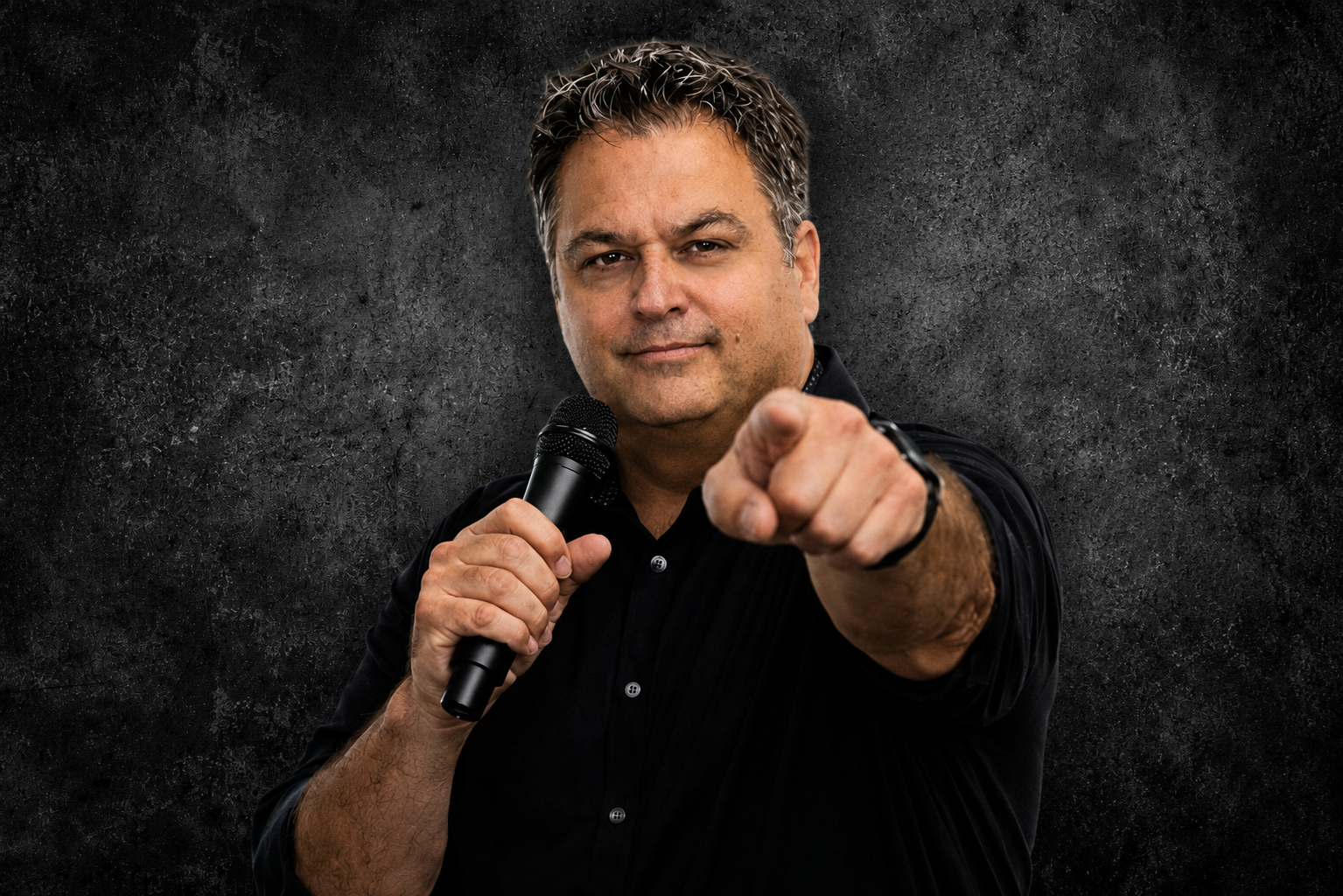
Jonathan Ressler
Your life is the receipt of your choices. Jonathan Ressler is the Amazon best-selling author and podcast host behind Shut Up and Choose — proof that recognizing and owning your choices can change every part of your life, not just your weight. It started with 140+ pounds lost, and it didn’t stop there — his relationships, his finances, and the rest of his life changed the exact same way.
BOOK YOUR CHOICE RESET →